By Sam Dyer
Keeping a pub or bar clean is about much more than making things look tidy. With drinks being served throughout the day and evening, spills, grease, food debris, fingerprints and general dirt can quickly build up.
A good cleaning routine helps keep customer-facing areas looking their best, while also making sure glasses, beer lines, kitchens and washrooms are properly maintained.
Whether you're running a traditional pub, cocktail bar, restaurant bar or busy hospitality venue, this guide covers some of the key areas to include in your cleaning routine.
Why Is Cleaning So Important in Pubs and Bars?
Pubs and bars can be particularly demanding environments when it comes to cleaning. Tables need regular attention, floors can quickly become sticky, and bar equipment needs to be cleaned properly to maintain hygiene.
Some areas also need specialist products rather than a standard surface cleaner. Beer lines, glasswashers, bar surfaces and washrooms all have their own cleaning requirements.
Having a regular cleaning schedule and the right products for each job can make it much easier to keep on top of everything.
Cleaning the Bar
The bar is one of the most visible parts of any pub or bar, so keeping it clean throughout the day is essential.
Regularly wipe down:
- Bar tops and counters
- Drinks preparation areas
- Shelves and bottle displays
- Handles and taps
- Optics and other frequently touched equipment
- Fridges and coolers
- Areas around beer pumps
- Sinks and draining boards
Spills should be dealt with as soon as possible. Beer, spirits and soft drinks can quickly leave sticky residues that attract dirt and make surfaces unpleasant to touch.
A suitable multi-purpose cleaner can be useful for everyday cleaning, while products designed specifically for kitchen or food-service areas can be used where heavier grease and food residue are present.
Always check that a cleaning product is suitable for the surface you're working on.
Selden F010 Multi-Purpose Floor & Hard Surface Cleaner 5L is a concentrated detergent for removing soil, grease and heel marks. It suits compatible synthetic floors and non-porous hard surfaces in offices, schools, canteens and other busy premises. Its controlled-foam formulation supports routine maintenance as well as heavier cleaning when prepared at the appropriate dilution.
Check the surface-care instructions before use. Selden lists linoleum, PVC, rubber, thermoplastic flooring, sealed wood and sealed cork as suitable floors. Do not use on galvanised surfaces, laminate flooring, unsealed wood or unsealed cork. Follow the current label and the manufacturer’s distinct dilutions for light cleaning, general cleaning, heavy-duty cleaning and degreasing. Wear suitable gloves and eye protection when handling the concentrate.
Food Safe Kitchen Cleaner Sanitiser offers Mirius Super Professional surface hygiene in two different formats: C11 ready-to-use 750ml spray and C12 5-litre concentrate. Both have documented BS EN 1276 and BS EN 13697 performance, with a manufacturer-stated 30-second contact time. The non-bleach, non-tainting formulations suit appropriate washable hard surfaces in food preparation and catering areas.
Choose the format that fits your cleaning routine. Use C11 without dilution; prepare C12 at the labelled dilution for the task, including 1:10 for food-contact surfaces. Remove loose food debris and clean the surface before disinfection, allow the full contact time, then wipe dry with paper towel if required. Follow the instructions and safety sheet for the selected formulation.
Don't Forget the Beer Lines
Beer line cleaning is one of the jobs that deserves particular attention in any pub or bar.
Beer lines can develop deposits over time, which is why they need to be cleaned regularly rather than simply flushed with water.
Super Professional Purple Beer Line Cleaner is specifically designed for cleaning beer lines and is available from Astral Hygiene in a 5-litre container.
Always follow the manufacturer's instructions regarding dilution, contact time, rinsing and safe handling. Beer line cleaning should also be carried out as part of a regular schedule rather than only when a problem becomes noticeable.
Super Professional C7 Purple Beerline Cleaner is a 5L concentrate from Mirius for beer, lager and soft drink dispensing systems. It removes stubborn protein and yeast deposits, while its purple colour indicator helps staff identify the cleaning solution. Mirius states that the formulation kills 99.99% of bacteria and yeast and does not affect beer head.
Use the appropriate manufacturer instructions for the equipment being cleaned: beer dispense lines and cellar tanks have different dilution procedures. Allow the specified cleaning time, then rinse thoroughly with fresh cold water until no purple trace remains. Keep the product label, instruction sheets and safety data sheet available for trained staff.
Choose a 5L beer line cleaner for professional draught dispense maintenance, with Selvo Clear and Jeyes Purple options on this listing. Selden Selvo J001 is an odourless, taint-free cleaner for pressurised dispensing equipment and traditional hand pumps. The pictured Jeyes B5 purple cleaner uses a colour indicator during its cleaning cycle.
Select the required option before ordering and follow the instructions for that bottle. Selvo Clear uses 1 part cleaner to 80 parts water with a 30-minute beer-line soak; Jeyes B5 uses 1 part to 100 parts water with repeated five-minute checks. Both require thorough rinsing before drinks service resumes. Keep the correct product label and safety information available to staff.
Getting Glasses Properly Clean
Clean, clear glasses are an important part of serving drinks. Marks, lipstick, grease and detergent residue can all affect the appearance of a glass and, in some cases, the way a drink is served.
A commercial glasswasher should be cleaned and maintained regularly, including filters and other removable components.
Astral Hygiene stocks Machine Glass Wash Detergent, designed for use in suitable glasswashing machines, as well as Super Professional Glasswash Rinse Aid.
Using the correct detergent and rinse aid for your glasswasher can help ensure glasses come out clean and ready for service.
It's also worth regularly checking glasses for chips, cracks and persistent marks. Damaged glasses should be removed from service.
Super Professional Cabinet Glasswash is Mirius C3, a liquid detergent supplied in a 5L container for cabinet glasswashing machines. It provides effective cleaning in both soft and hard water areas, making it a practical detergent supply for bars, pubs, restaurants and hotel drinks service. The concentrate is replenished through the machine’s detergent chemical pick-up tube.
Choose it for compatible mechanical glasswashing equipment and follow the supplied label and machine instructions for dosing. Position the replacement container before opening it, then insert the detergent pick-up tube as shown in the manufacturer’s instruction sheet. Use a separate suitable rinse aid for the rinse stage. Wear appropriate protection when handling the concentrate and keep the safety data sheet available.
Super Professional C20 Glasswash Rinse Aid is a 5L rinse additive from Mirius for commercial glasswashing machines. Its low-foam, non-tainting formula helps glasses, glassware and crockery dry quickly with a clear finish, making it a practical part of the glasswashing routine in bars, pubs, restaurants and hotels.
The rinse aid is supplied in a container for connection to the machine's chemical pick-up system. Use it at the rinse stage alongside the appropriate glasswash detergent, with each product connected to its correct dosing line. Check your machine instructions and the product label when setting up or replenishing supplies, and keep the information sheet and safety data sheet available for staff.
Cleaning Tables and Seating
Tables can require almost constant attention during busy periods. Crumbs, drink spills and fingerprints can quickly accumulate, particularly on high-traffic evenings.
A simple routine can help:
- Clear glasses, plates and rubbish.
- Remove crumbs and larger debris.
- Wipe the table using an appropriate cleaning product.
- Pay attention to edges and underneath the table.
- Clean chairs and other seating as required.
Don't forget the areas customers regularly touch, including chair backs, menus, condiment bottles and table accessories.
If you're using reusable cloths, colour-coded cleaning cloths can also help reduce the risk of using the same cloth across different areas.
Keeping Floors Clean
Pub and bar floors have to cope with a lot of traffic, particularly around the bar and entrances.
Drink spillages can also make floors sticky and potentially slippery, so they should be dealt with promptly.
A good floor-cleaning routine should include:
- Sweeping or vacuuming to remove loose dirt
- Cleaning spillages as soon as possible
- Mopping hard floors with a suitable floor cleaner
- Paying particular attention to areas around the bar
- Cleaning underneath tables and furniture
- Keeping entrance areas free from accumulated dirt
Choose a floor-cleaning product that's appropriate for the type of flooring in your premises. Using too much chemical can leave residue behind, so always follow the recommended dilution.
Give the Kitchen Extra Attention
If your pub serves food, the kitchen requires its own thorough cleaning routine.
Grease and food residue can build up quickly around cooking equipment, extraction areas, work surfaces and floors.
Key areas to include are:
- Worktops and preparation surfaces
- Cooking equipment
- Ovens and grills
- Extractor areas
- Sinks
- Fridges and freezers
- Floors
- Walls and splashbacks
- Bins and waste areas
For heavier grease, a suitable degreaser can help break down deposits that a general-purpose cleaner may struggle with.
Ovens and cooking equipment may also require specialist products. Always check the manufacturer's instructions and make sure the cleaning chemical is suitable for the surface before use.
Aluminium Safe Heavy Duty Degreaser is Selden F052, a concentrated cleaner for greasy hard surfaces in professional kitchens and food preparation premises. It tackles animal fats and protein deposits on suitable floors, walls and equipment, with controlled foam for practical cleaning and rinsing. The formulation is non-tainting and can also be used with compatible mechanical floor scrubbers.
Choose the dilution and method for the job: routine floor cleaning and fryer cleaning have different instructions. Remove food and loose debris before treatment, check equipment care guidance and rinse thoroughly after cleaning. Read the matching F052 safety data sheet and wear protective gloves and eye protection when handling the product.
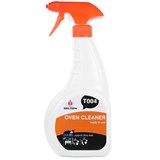
Professional Clinging Oven Cleaner is intended to remove baked-on food and greasy deposits from suitable oven surfaces. Its clinging format supports cleaning of deposits that are difficult to remove during routine wipe-downs. It is a highly caustic chemical intended for controlled use in professional kitchen cleaning, with precautions matched to the task.
Do not use this product on aluminium or galvanised materials. Check the oven manufacturer’s cleaning instructions and the current product label before application, including surface temperature, contact time and rinsing requirements. Read the safety data sheet and use the protective equipment specified for the product and your workplace assessment. Keep the chemical clearly labelled, prevent contact with skin and eyes, and do not mix it with other cleaning products.
Keeping Washrooms Clean
Customers expect pub and bar washrooms to be clean, fresh and well maintained.
Washrooms should be checked regularly throughout service, particularly during busy periods.
Your cleaning routine should cover:
- Toilets and urinals
- Toilet seats and surrounding areas
- Sinks and taps
- Mirrors
- Hand dryers and dispensers
- Cubicle doors and handles
- Tiles
- Floors
- Frequently touched surfaces
Limescale can be particularly noticeable around taps, sinks, toilets and other wet areas. A suitable descaler can help tackle mineral deposits where the surface is compatible with an acidic cleaner.
As always, check the product instructions before use and never mix acidic cleaners with bleach or other incompatible chemicals.
Super Professional W9 Heavy Duty Toilet Descaler removes grime and limescale from suitable washroom surfaces. Supplied in a 750ml bottle, it is intended for professional toilet-cleaning routines where mineral deposits need attention. The manufacturer identifies stainless steel, porcelain and chrome plate as suitable materials for this product.
Check the fixture and its care instructions before use, and follow the directions on the bottle and product information sheet. W9 needs contact time to work, so plan treatment around access to the toilet and allow the instructed time before flushing. Keep the product label and safety information available to the cleaning team, and use the descaler only as directed.
Everfresh Apple is Evans Vanodine’s thickened toilet and washroom cleaner for daily maintenance of toilets, urinals, sinks, baths and compatible floors and walls. Its neutral pH of 7.0 and long-lasting apple fragrance make it a practical choice for routine cleaning and freshening. The viscous liquid clings to vertical surfaces, allowing longer contact during cleaning.
Choose the 1-litre angled-neck bottle for convenient application or the 5-litre container for larger cleaning requirements. Apply undiluted to toilets and sanitary ware, or prepare the manufacturer’s 1:50 hot-water dilution for general cleaning. Allow a few minutes in the toilet bowl, brush where necessary and flush. Follow the supplied label and the fitting’s surface-care instructions.
Cleaning Frequently Touched Surfaces
It's easy to concentrate on the obvious areas while overlooking things that customers and staff touch repeatedly.
Include surfaces such as:
- Door handles
- Light switches
- Card machines
- Handrails
- Tap handles
- Fridge handles
- Toilet door handles
- Bar equipment
These should be incorporated into your regular cleaning routine, with appropriate cleaning or disinfecting products used according to the requirements of the surface and environment.
What About Spills?
Spills are inevitable in a pub or bar, so it's worth having a simple system for dealing with them.
Don't leave spills until the end of the shift. Liquids can spread, become sticky as they dry and create slip hazards.
Keep appropriate cleaning equipment readily available so staff can deal with spillages quickly.
For floors, remove the spill first and then clean the affected area using a suitable floor-cleaning product. For bar and table surfaces, use a cleaner that's appropriate for the material being cleaned.
A Simple Pub Cleaning Schedule
Having a cleaning schedule can help make sure important jobs don't get forgotten.
Throughout the Day
- Wipe down the bar
- Clean tables between customers
- Deal with spills immediately
- Check and clean washrooms
- Empty bins when necessary
- Clean high-touch areas
- Check floors for spills and debris
At the End of Each Shift
- Thoroughly clean the bar
- Clean tables and seating
- Sweep and mop floors
- Clean sinks and draining boards
- Clean glasswashing equipment
- Empty bins
- Clean washrooms thoroughly
- Restock toilet and handwashing supplies
Weekly or Regular Deep Cleaning
Depending on the venue and its cleaning schedule, include deeper jobs such as:
- Cleaning underneath and behind equipment
- Deep cleaning floors
- Cleaning fridges
- Cleaning difficult-to-reach areas
- Deep cleaning washrooms
- Cleaning glasswasher components
- Carrying out scheduled beer line cleaning
- Cleaning walls, doors and other less frequently cleaned surfaces
Use the Right Product for the Job
One of the easiest ways to make cleaning more effective is to avoid trying to use one product for everything.
Different types of dirt require different approaches. Grease, limescale, general dirt and beer deposits don't all respond to the same cleaning chemical.
It's also important to get dilution right when using concentrated products. Using too much chemical doesn't necessarily mean better cleaning and can result in wasted product or residue being left behind.
For more information, take a look at our guide Cleaning Chemical Dilution: Why Getting It Right Matters.
Don't Forget Cleaning Equipment
The chemicals are only part of the cleaning process. Having the right equipment makes jobs considerably easier.
Useful items for pubs and bars can include:
- Microfibre cloths
- Mops and buckets
- Brushes
- Sponges and scourers
- Glass-cleaning equipment
- Cleaning caddies
- Protective gloves
- Warning signs for wet floors
- Appropriate PPE
Cleaning equipment should itself be kept clean and replaced when it becomes worn or damaged.
A Cleaner Pub Starts With a Good Routine
There isn't necessarily one magic product that will keep a pub or bar clean. It's the combination of the right products, suitable equipment and a consistent cleaning routine that makes the biggest difference.
From keeping the bar and tables looking their best to maintaining beer lines, glasswashers, floors and washrooms, breaking the work down into manageable tasks makes it much easier to stay on top of cleaning.
Astral Hygiene stocks a range of professional cleaning and hygiene products for the hospitality sector, including Super Professional and Evans Vanodine cleaning chemicals, as well as specialist products for jobs such as beer line and glassware cleaning.
A well-planned cleaning routine doesn't just make the venue look better—it helps create a cleaner, more pleasant environment for both customers and staff.
This blog was written by Sam Dyer, Operations Administrator at Astral.
Please get in touch if there are any particular topics you would like us to talk about on the blog!







Comments
Post a Comment