Cleaning Product Myths: Understanding Disinfectant Claims
Cleaning myths can make product selection confusing. This guide separates cleaning from disinfection and explains which claims need evidence before you rely on them.

The examples below began as a discussion of common cleaning claims during the pandemic. The practical guidance and source-linked corrections were reviewed on 25 October 2026.
A product claim should describe what the product can do under its stated conditions. REACH is not a general guarantee of disinfectant efficacy. HSE’s biocidal advertising guidance explains that efficacy and risk claims must not mislead customers.
Firstly, I’ll start with some of the tamer claims, and then I’ll work up to the good stuff!
Does vinegar clean everything? No single cleaning method suits every material or task. Do not treat a homemade vinegar mixture as a disinfectant with established performance. Choose a product intended for the surface and required job, following its instructions; never mix cleaning chemicals.
Do houseplants purify indoor air? Plants can be attractive, but they should not replace ventilation or control of pollution sources. The US Environmental Protection Agency says there is no evidence that a realistic number of houseplants removes significant amounts of pollutants from homes or offices.
Does vacuuming ruin carpets? Follow the carpet manufacturer’s care instructions and choose a suitable vacuum head. Regular removal of loose dirt is part of routine care; aggressive brushes or unsuitable settings may damage some fibres.
Is soaking always bad for stainless-steel pans? No. Le Creuset’s stainless-steel cleaning guidance includes soaking to loosen residue. Follow the instructions for your particular cookware and finish, allow it to cool, and rinse and dry after cleaning. Do not apply one material’s instructions to wooden utensils or coated pans.
Should you clean a toilet with cola? A soft drink is not a substitute for a suitable toilet cleaner or disinfectant. Select a cleaner for the soil or limescale and a disinfectant where required; check compatibility and use instructions rather than relying on a household trick.
Does fogging guarantee 30 days of protection? Do not assume that treatment keeps an occupied room continuously disinfected. Any residual-action claim needs product-specific evidence that matches the surfaces, organisms, application method and conditions of use.
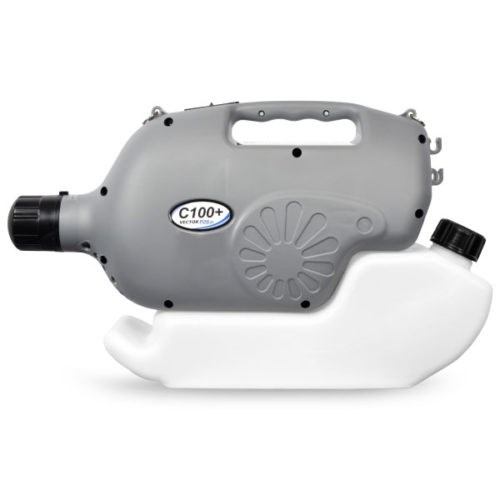
Fogging is an application method, not proof of lasting performance. Recontamination and subsequent cleaning or wear must be considered when evaluating a residual claim. Routine cleaning still needs a documented schedule.
Fogging also needs a suitable product and assessed controls. HSE guidance on disinfectants and fogging identifies inhalation risks and the need for controlled re-entry. Obtain the supplier’s instructions and evidence before commissioning a treatment; do not infer safety from the absence of a strong smell.
Do washing machines clean themselves? Follow the appliance manufacturer’s maintenance programme for its drum, drawer, seals and filters. Use only the cleaning products and cycles it specifies.
Does a dishwasher sterilise everything? Performance depends on the machine, programme and loading. The NHS states that dishwashers clean baby feeding equipment but do not sterilise it. Follow the separate sterilising instructions for bottles and teats; do not equate ordinary dishwashing with sterilisation.
Will lemonade guarantee longer-lasting flowers? Results vary; a fixed extra week is not a reliable promise. Use the flower supplier’s care instructions and measured flower food rather than an unverified mixture.
The original video below is retained for historical context. Where its advice differs, use the updated, source-linked written guidance on this page.

A quick check before trusting a cleaning claim
- What is promised? Distinguish soil removal, disinfection, odour control and residual protection.
- What supports it? Ask for the relevant test result and conditions, not just a percentage or an image of a standard number.
- Does it match your task? Compare the surface, dilution, contact time and application method with the intended use.
- What are the limits? Read exclusions, compatibility, rinse requirements and handling precautions.
Keep the selected product and method in the cleaning schedule so staff do not have to improvise from social-media tips. If documentation is unclear, ask the supplier before changing the routine.
Practical guidance and linked sources checked: 25 October 2026. Original publication date retained.
Watch the original video
Use disinfectants safely. Always read the label and product information before use.


Comments
Post a Comment